Dr Peter Martland
(History, m.1982)
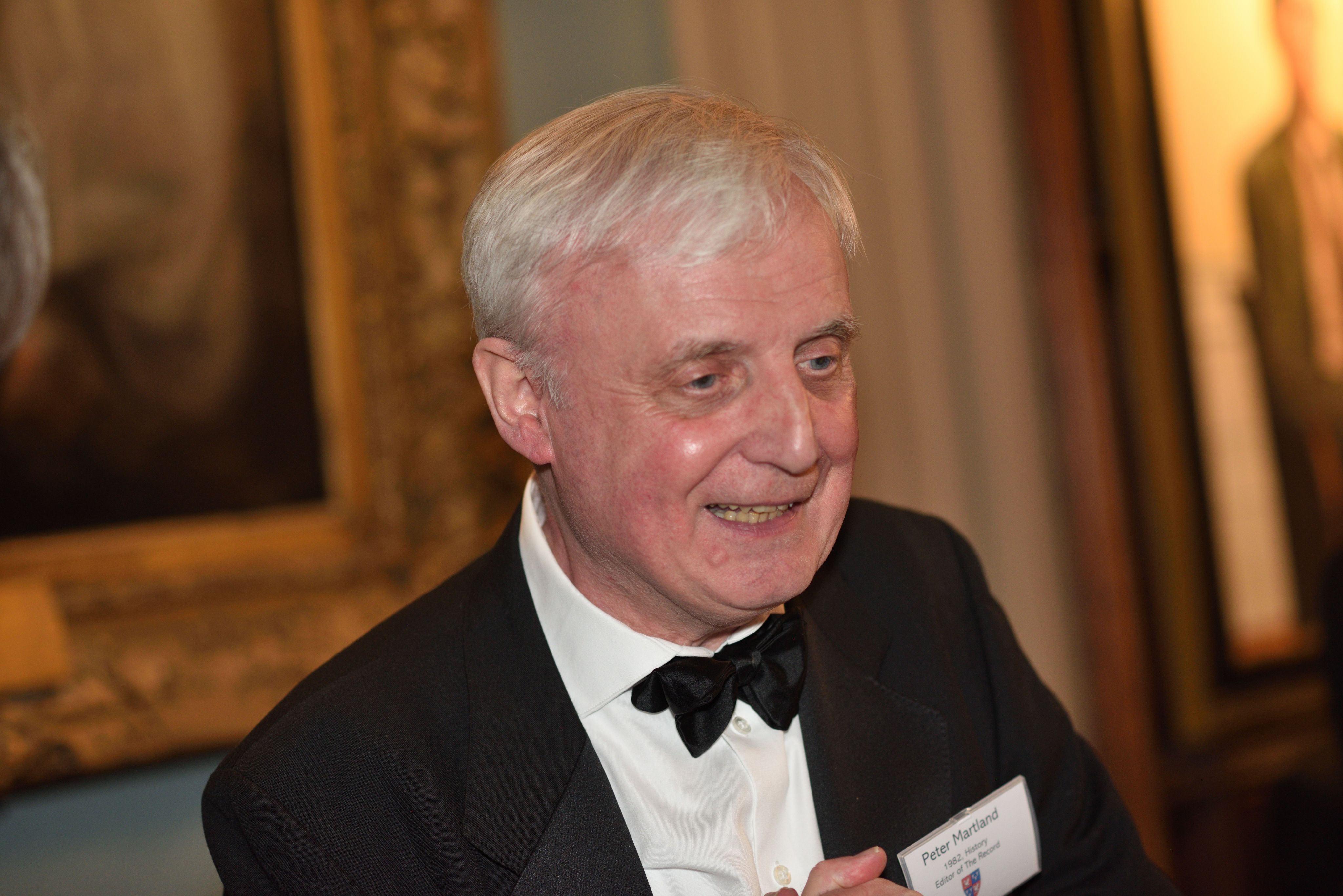

It’s impossible to have a conversation with Peter Martland and not discover some interesting new fact about the College and its characters over the last four decades. As a scholar, educator, editor and historian, he has given much to Corpus, and continues to do so, playing a number of active roles at College. For all that he does, he says simply, “Corpus made me in the end. It’s the right thing to do”.
Peter first came to Cambridge not as a student, but as a social worker, a job he had trained for in night school in his home town of St Helens in Merseyside. “I hadn’t had an education at all. I was born in the peak of the post-war baby boom. No provision was made in the 11+ for all these extra kids. So you got lots of very bright kids being put in secondary modern classes of 45 and 50 and dumped onto the labour market at age 15. That’s what happened to me.”
After six years in Cambridge doing casework and working within the juvenile court system, Peter felt that his lack of education was making it difficult to navigate his professional life. “It was clear that my abilities were not as developed as they should have been and I lacked the intellectual underpinning I could see in others who had been to university.” Colleagues encouraged him to consider applying to Cambridge as a mature student. Introduced to then-Admissions Tutor (and now Corpus Life Fellow) Hew Strachan (m.1968), Peter was invited to visit Corpus, where he also met another Fellow, Christopher Andrew (m.1959), Director of Studies in history. They were willing to consider him as a student but they insisted he needed an A-level in history. So back to night school Peter went. He completed his A-level in two and half terms and was duly offered an undergraduate place at Corpus at the age of 35.
There a very short period after matriculation, he says, when some of the 18-year-old freshmen found it difficult to understand what a mature student was doing at a College. He says, “This was tempered by the addition of a small number of over 21s, some overseas affiliated students in their twenties and a couple of military officers marking time before promotion to colonel. The early 1980s was not a period of cohesion in Britain – as the riots and the miners’ strike demonstrated. However, Hew Strachan as Admissions Tutor had toured Northern schools and there was in my cohort what was, for the times, a decent mix of student students from varied backgrounds. Also, once we settled down, I focused on work and the demanding task of transitioning into Cambridge University standards of work.”
Peter threw himself into college life, becoming President of the JCR, rowing (“very badly”), and helping to welcome the first female undergraduates to Corpus in his second year. He lived in at attic room in Old Court where “one way out was a on sling that you threw out the window at the back and got down to Free School Lane”.

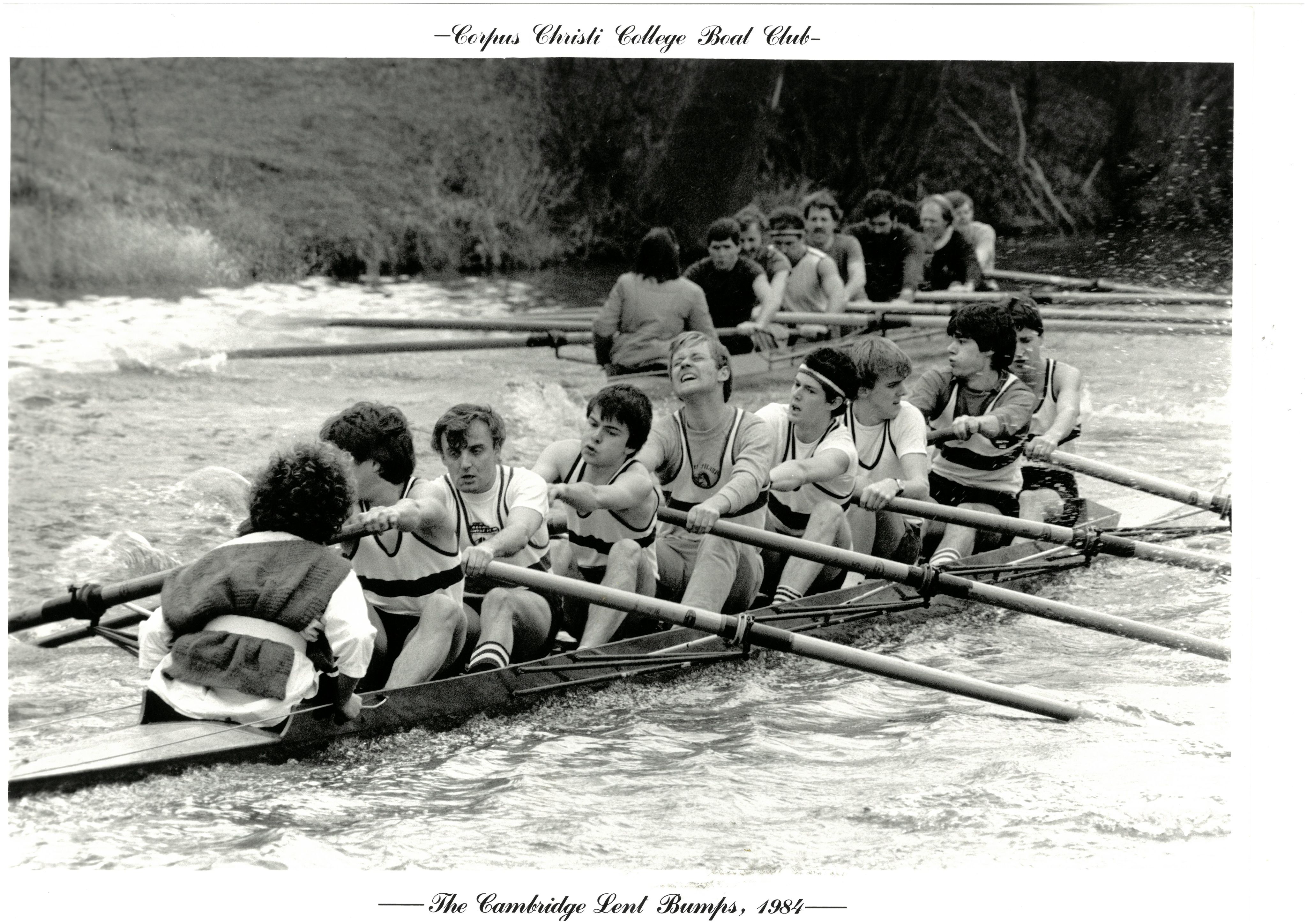
Peter in seat 2 during Lent Bumps in 1984.
Peter in seat 2 during Lent Bumps in 1984.
After graduation, Peter returned to social work, but Corpus and his intellectual pursuit called him back, and after a few years he returned to College for a PhD in economic history funded by the ESRC and other scholarships. “One of my interests had always been the recording industry and I wrote a business history of a British gramophone company for my doctorate.” He spent six months in America going through music archives and was asked by the record company EMI to write his first book, Since Records Began: EMI – the first 100 Years (1997).
Over the next few years Peter taught, served as Director of Studies for Corpus and other colleges, and was a Research Fellow at the Open University and a Research Associate at the Faculty of History and at Corpus. He taught history, intelligence and security studies at the international Programmes Department at Pembroke College. In the late 90s, Christopher Andrew asked Peter to teach a finalist paper on the history of secret intelligence work. On the back of that, says Peter, he was asked by the National Archives to write a book on the Nazi propagandist Lord Haw Haw. When Christopher was commissioned to write the official history of MI5, he asked Peter to help with the research. That book, The Defnece of the Realm: The Authorized History of MI5 was published in 2009.
Peter stopped teaching undergraduates in 2012, but continued to supervise PhD and MPhil students until recently. Involved with the Cambridge Intelligence Seminar for many years, in 2016 he co-founded, alongside former MI6 head Sir Richard Dearlove, The Cambridge Security Initiative, which runs a summer school for security and intelligence professionals.
Corpus Curiosity
Peter is a historian of the College and its members, publishing the book Corpus Lives in 2003. Knowing of his interest and long association with the College, he was asked in 2018 if he would edit the The Corpus Letter (now The Record). Peter says wryly, “Stuart Laing had been editing The Letter but he was stepping down as Master. I think they did the rounds of all the Fellowship and all the retired Fellows who basically turned them down. So who is going to do it? Muggins!” Since then, Peter has edited the annual college magazine first with Peter Carolyn (m.1957) and then with Charles Read (m.2018).
Peter is strongly attached to the College, and a familiar face around Old House, often attending events, teaching the Bridging Course students, and supporting the Boat Club. He continues to spend a lot of time in the Modern Archives combing through College history, and his research has led to articles in The Record about various Corpus members over the years, as well as the book Lost Generations about those members of College died undertaking military service during the First World War.
“Without question, Corpus made me welcome intellectually. Class issues were of course present, but I think I was such an off-the-wall figure that I was accepted by most people and I took the view that my new cohort had to take me as they found me – and they did. When I came to Corpus, the College was preparing to admit women students. It was therefore in change mode, slowly at first, but looking back it is possible to see the sinews of the Corpus we know today. The passage towards greater inclusivity is a long journey but it is happening. Today, I think Corpus admissions at all levels is much more reflective of a much wider society than I could have imagined in 1982. I have met and greatly admire those students who come to the Bridging Course from underserved backgrounds. They are proving to be the new lifeblood of the College, and the Tripos results show this. Perhaps the most important element all this suggests is that socially and intellectually Corpus has grown stronger in every way during the forty-odd years since I appeared on the scene.
https://www.corpus.cam.ac.uk/articles/new-book-peter-martland-moving-commemoration-lost-lives

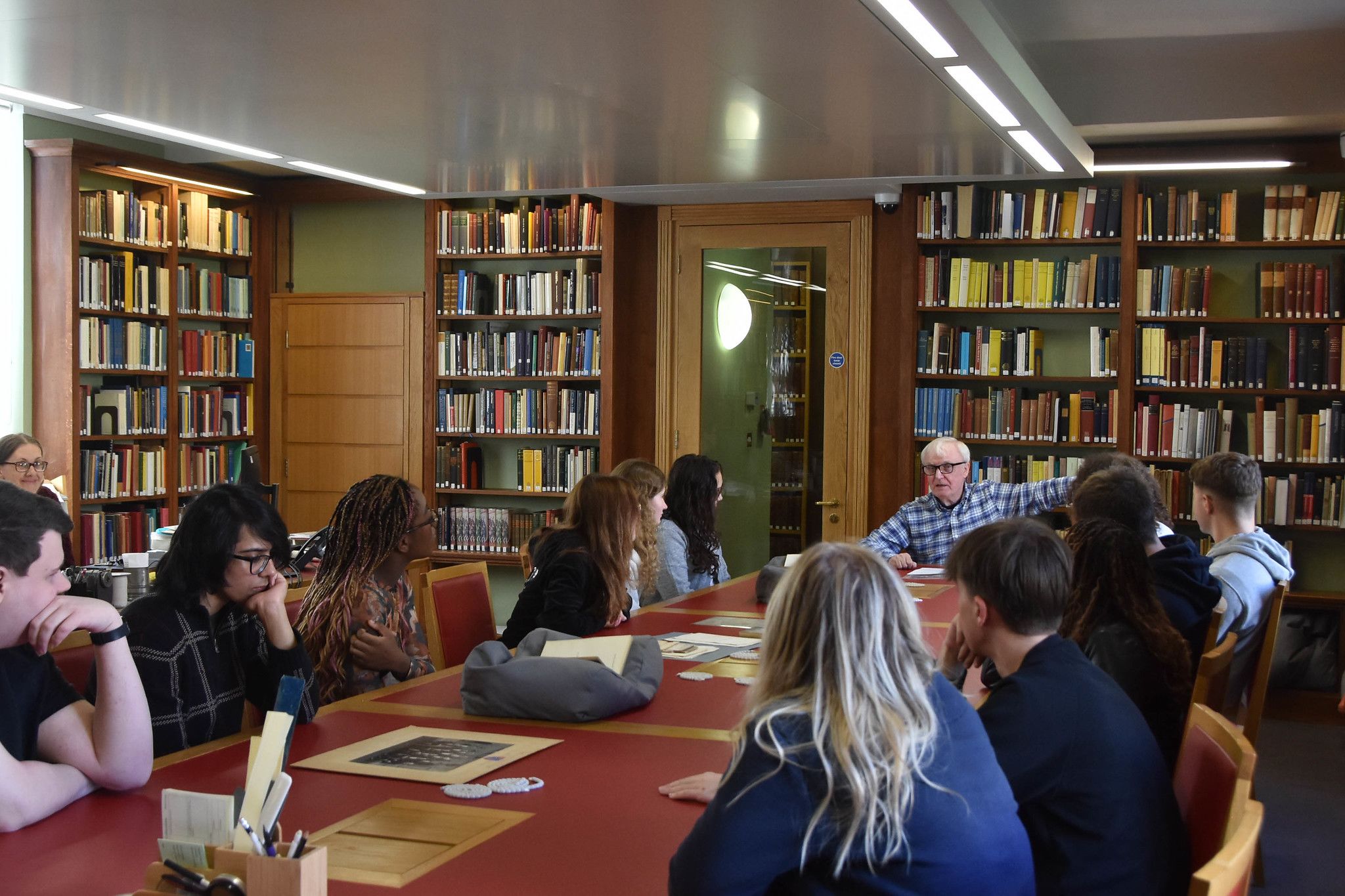
Teaching Bridging Course students in the Parker Library.
Teaching Bridging Course students in the Parker Library.
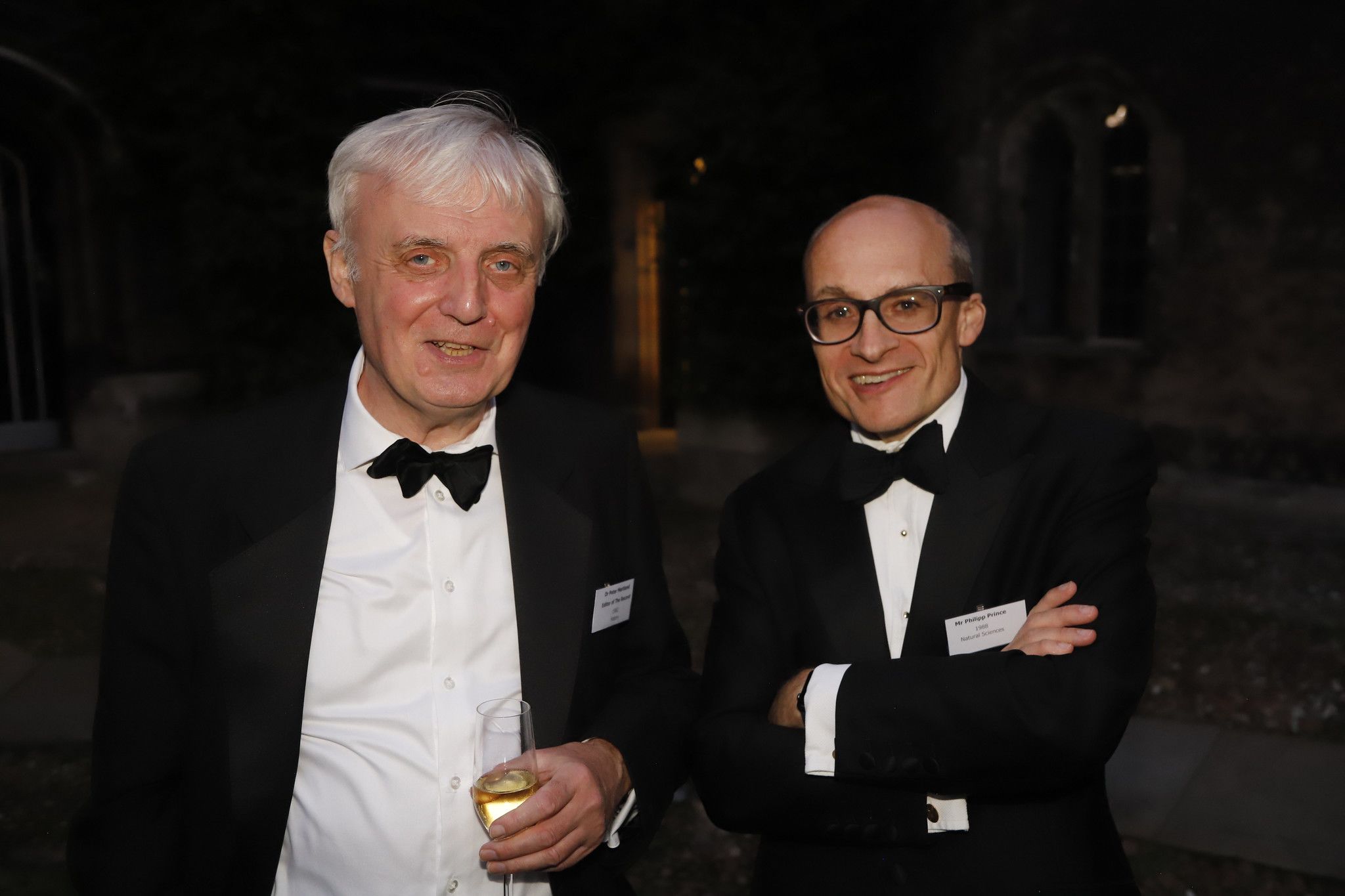
Catching up with old friends at the Beldam Reunion dinner.
Catching up with old friends at the Beldam Reunion dinner.

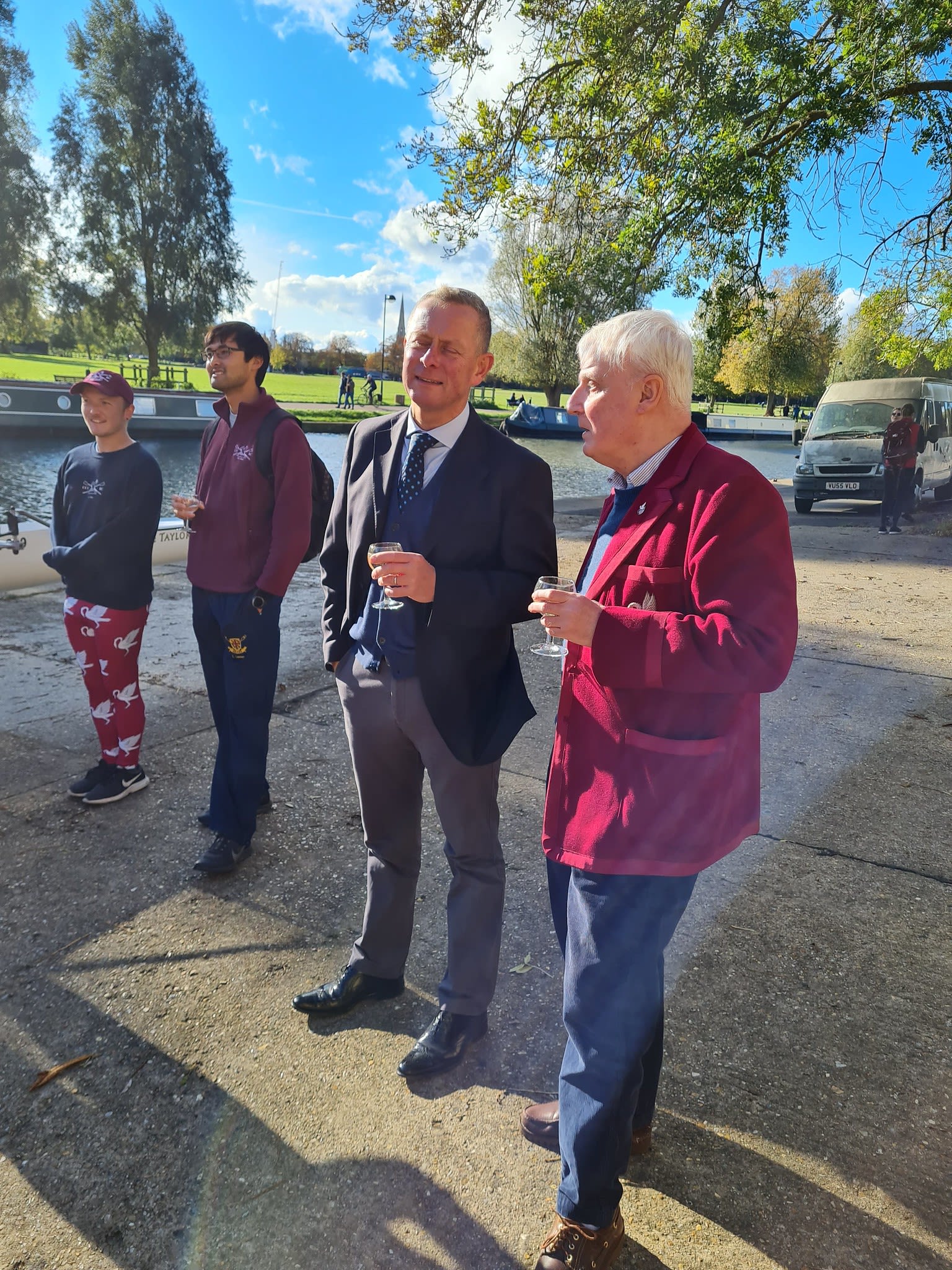
Peter, wearing his boat club blazer, chatting with Boatman Tim Rhodes.
Peter, wearing his boat club blazer, chatting with Boatman Tim Rhodes.

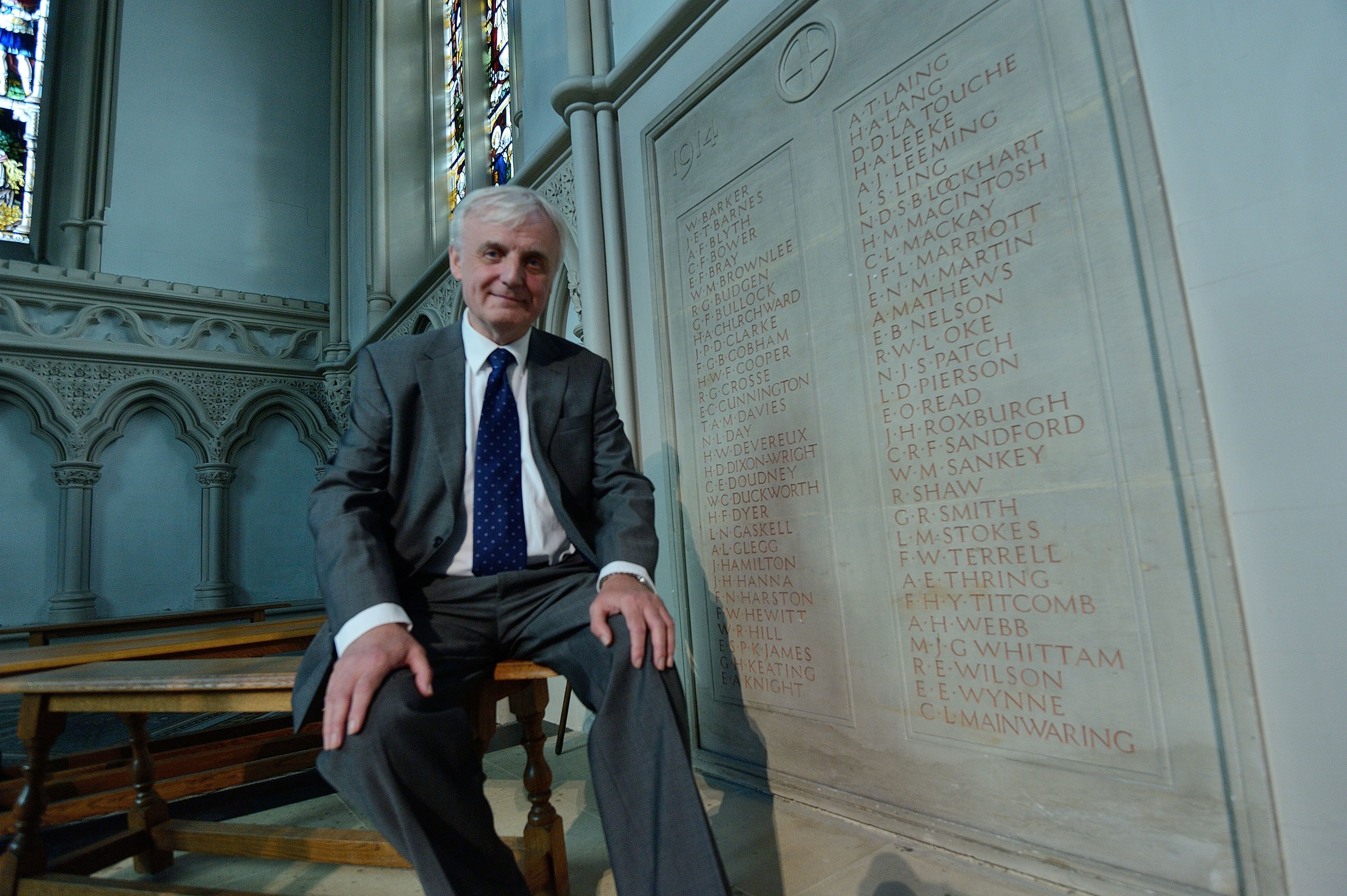
At the war memorial in Chapel; Peter ensured that seven missing names were added to the memorial in 2024.
At the war memorial in Chapel; Peter ensured that seven missing names were added to the memorial in 2024.
 Built with Shorthand