
Professor Martin Burton FRCS
(Medicine, m.1977)
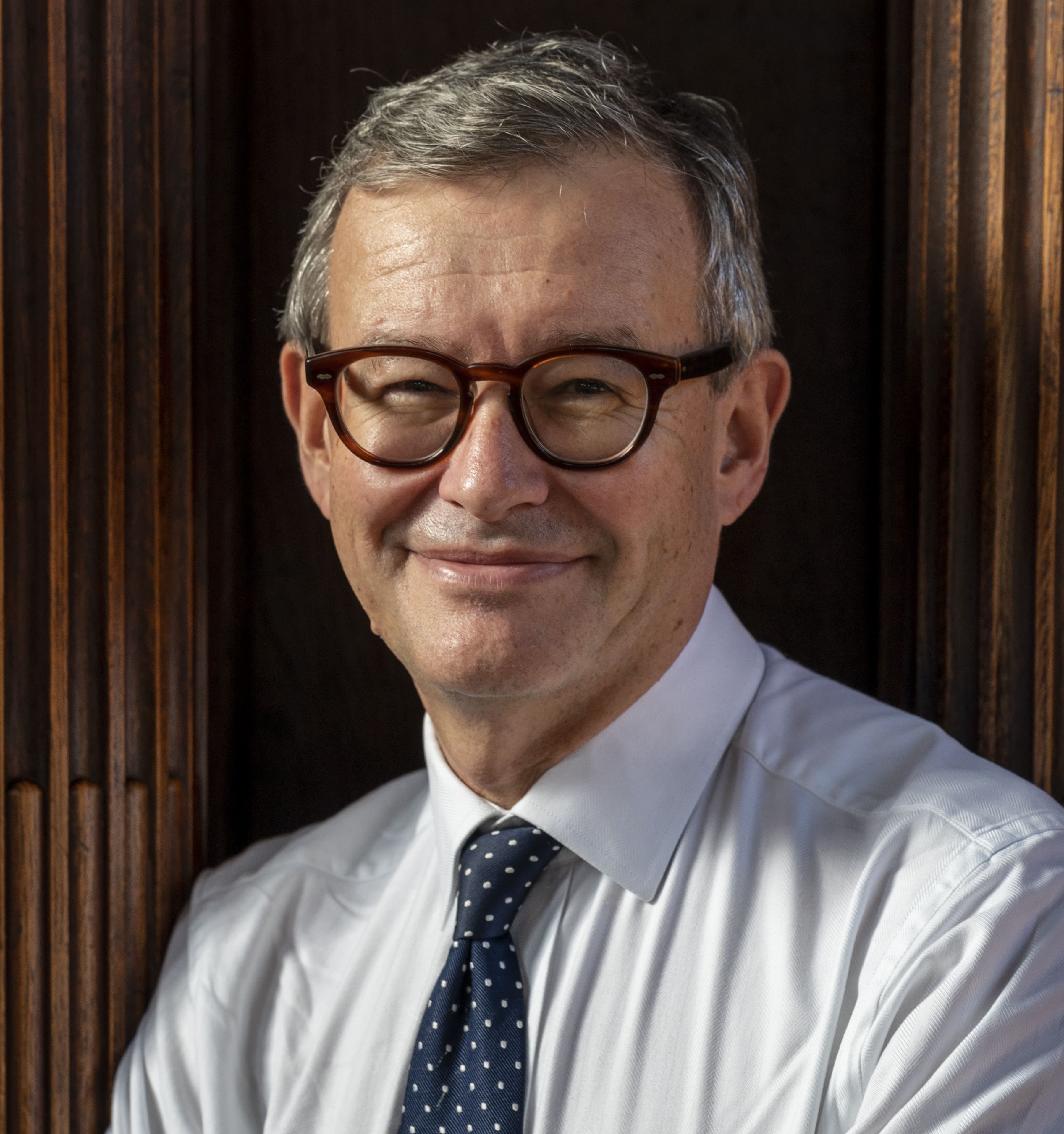

In 1976, when Martin Burton was in assembly at the grammar school he attended near Preston, Lancashire, his name was read out with a request to go and see the Headmaster. He wasn't concerned that he was in trouble, but nor was he quite sure why he was being invited. It turned out that the Headmaster thought Martin and a group of peers promising enough that they should apply to Oxbridge. "Let's talk about colleges," he said. But Martin was one step ahead of him. "I've already done my homework," he said, "I want to study medicine and I want to go to Corpus Christi College Cambridge."
Corpus appealed to Martin because it was small and seemed friendly. He came up in 1977, before the arrival of female undergraduates in 1983, and says there was still an atmosphere of formality at College. "We were referred to as gentlemen. We had Formal Hall every night - although it wasn't very formal in the sense that we didn't wear jackets and ties. We just threw a gown over anything we were wearing. Another odd thing about Formal Hall was that it was very difficult to get staff to wait on 200 men when the job only lasted an hour and a half. So we were often served by pupils from local schools and colleges!"
He continues, "Corpus was a very different sort of environment then. It was more like an extension of a boys' school. The student body was different; we had very few overseas undergraduates. There were no en-suite bathrooms but a complex called The Crystal Palace in the corner of Old Court. It was all pretty Spartan."
Martin recalls that during the ‘70s there were plenty of characters at Corpus. There was the Head Porter Mr Albert Jaggard, the putative model for the Head Porter, Skullion, in Porterhouse Blues. Ron Storey was the Master's Butler and ran a very tight ship in Hall. Theodore Boorman was at that time President of the College; he had his riding boots polished regularly by another member of the College staff . Martin recalls, "And there was Michael Tanner, who was quite different – much younger and closer to students. He had an enormous record collection, played Wagner loudly in his rooms in Old Court, and was happy to lend records to students. My perception was that Corpus was widely admired for the fact that it could hold within it people who were so different."
During his time at Corpus, Martin was involved in plenty of activities. He was a chapel warden, he rowed, he was one of the founding members of the Squares. Now thought of as somewhat ‘secret’ that wasn’t how it started. "Anybody could join. All you had to do was to wear your square regularly for Chapel and Dinner. But there weren’t many of us who did that!", He also joined in College performances. "In my final year we had a May Week production of Toad of Toad Hall. Kevin McCloud (m.1978), of Grand Designs, was the director. I was a weasel and one of the other weasels was played by the human rights lawyer Philippe Sands (m.1979). I recall that we sang “Toad, Toad down with Toad!”
Still, there were signs of coming changes. "The big debate at the time was to do with guest hours, and whether we could have overnight guests of the opposite sex. The Fellows at the time said, 'We're in loco parentis. Your parents wouldn't allow this so why should we?'. It now seems an amazing argument. It didn’t persuasde many people then. But it caused a lot of commotion because these changes were happening in other Colleges. I can’t remember any talk at the time about admitting women, but that was really the beginning of the conversation."
Martin kindly donated items from his time at Corpus to the Modern Archives. You can see some of them below.

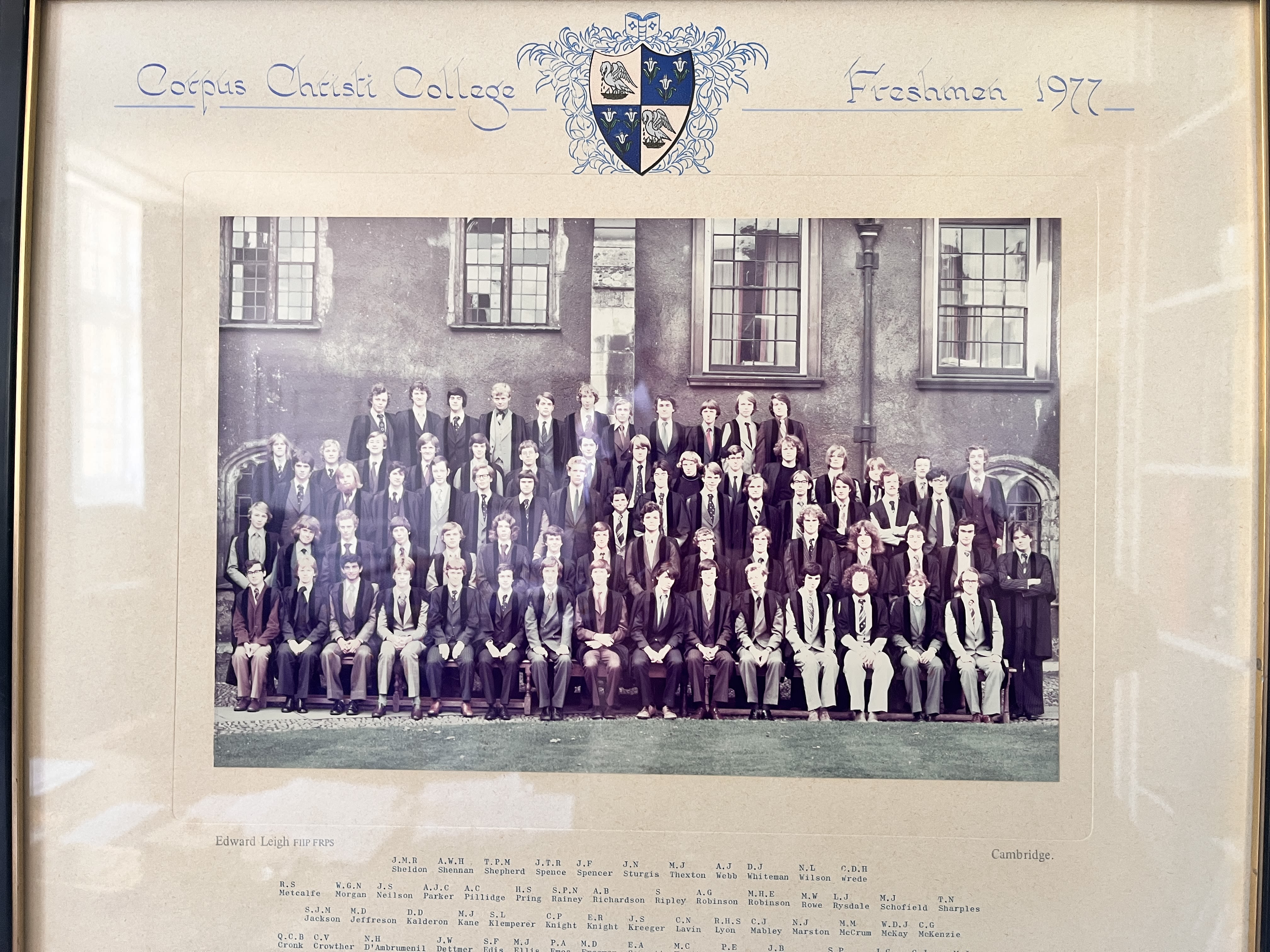
Matriculation photo 1977.
Matriculation photo 1977.

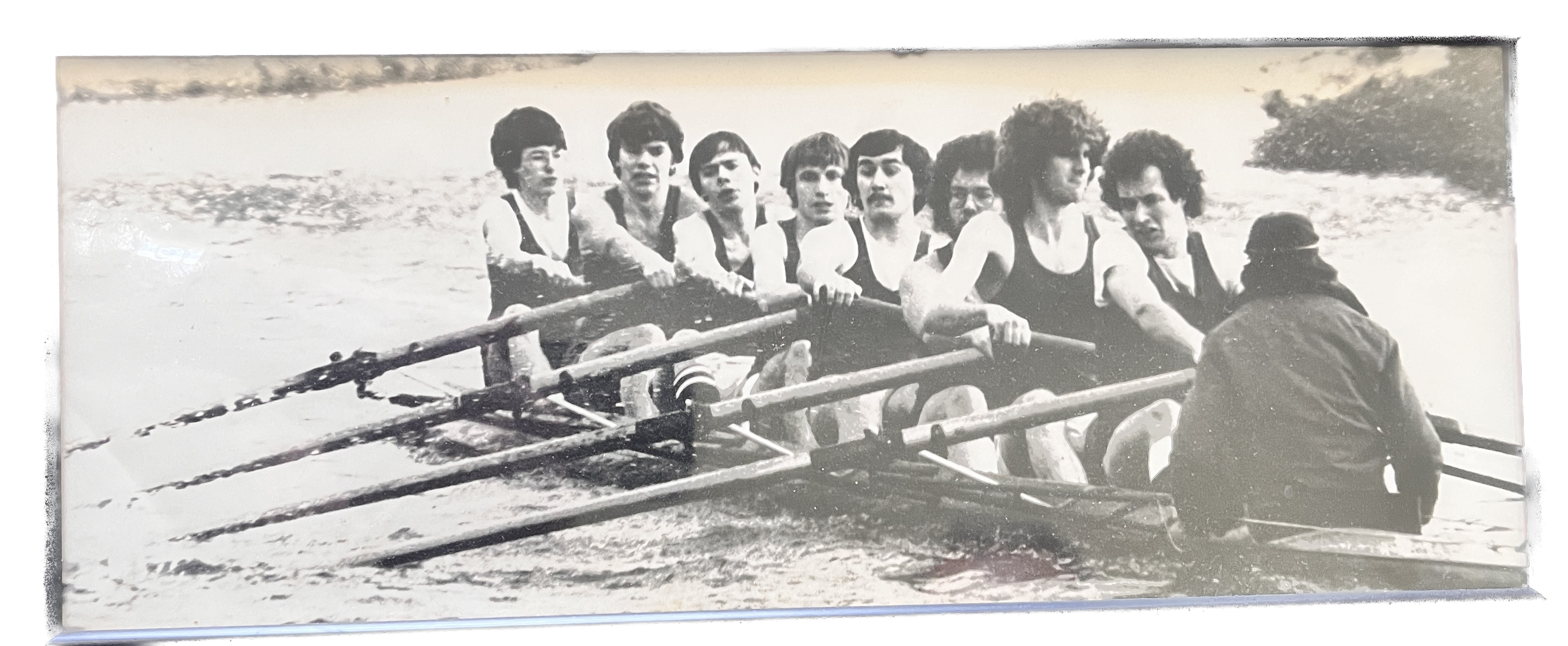
Rowing for Corpus in bow in the 1977 Clare Novices Regatta.
Rowing for Corpus in bow in the 1977 Clare Novices Regatta.

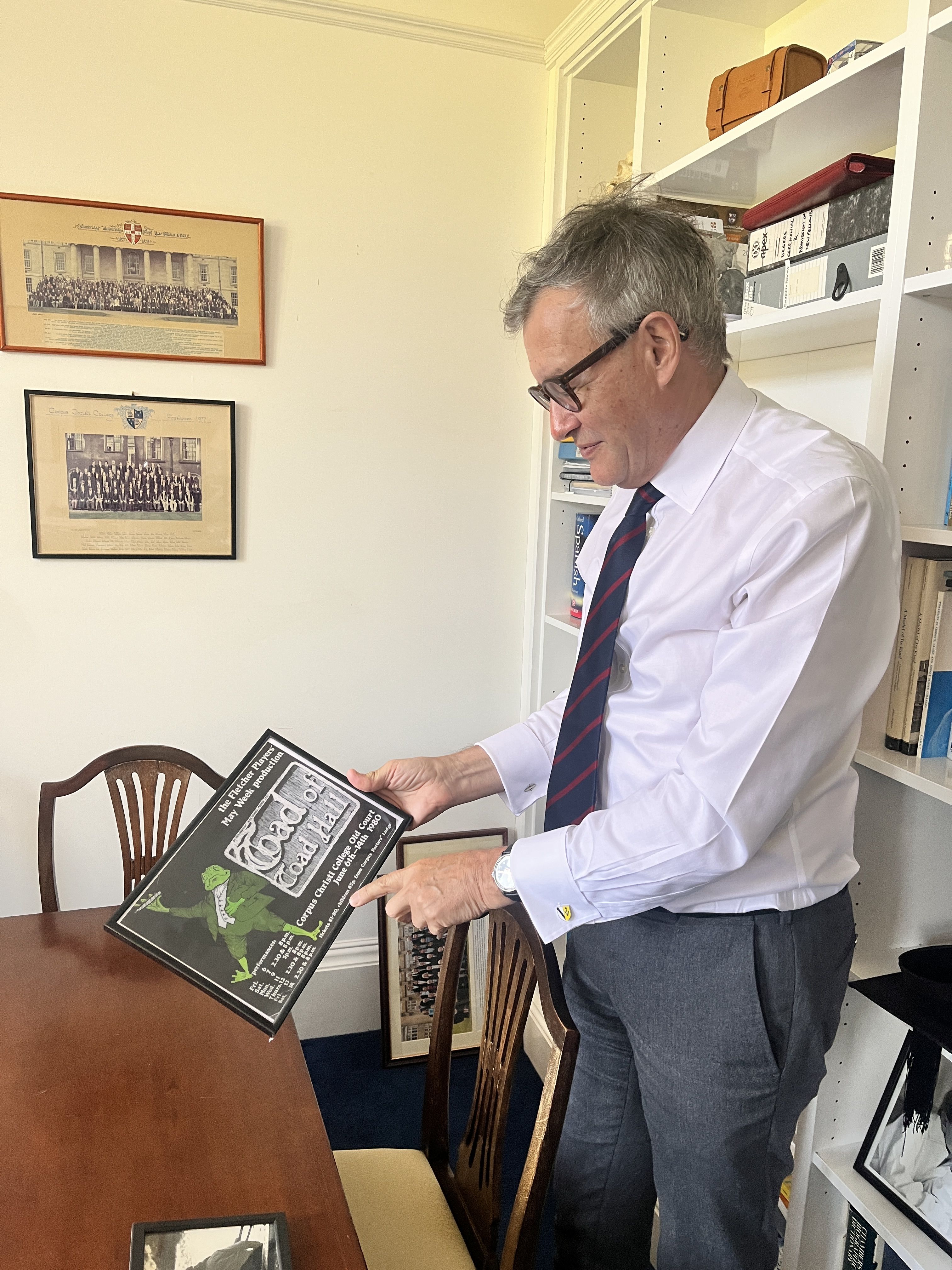
Martin in his office at Sidney Sussex College holding a programme from a production of Toad of Toad Hall from his time at Corpus.
Martin in his office at Sidney Sussex College holding a programme from a production of Toad of Toad Hall from his time at Corpus.
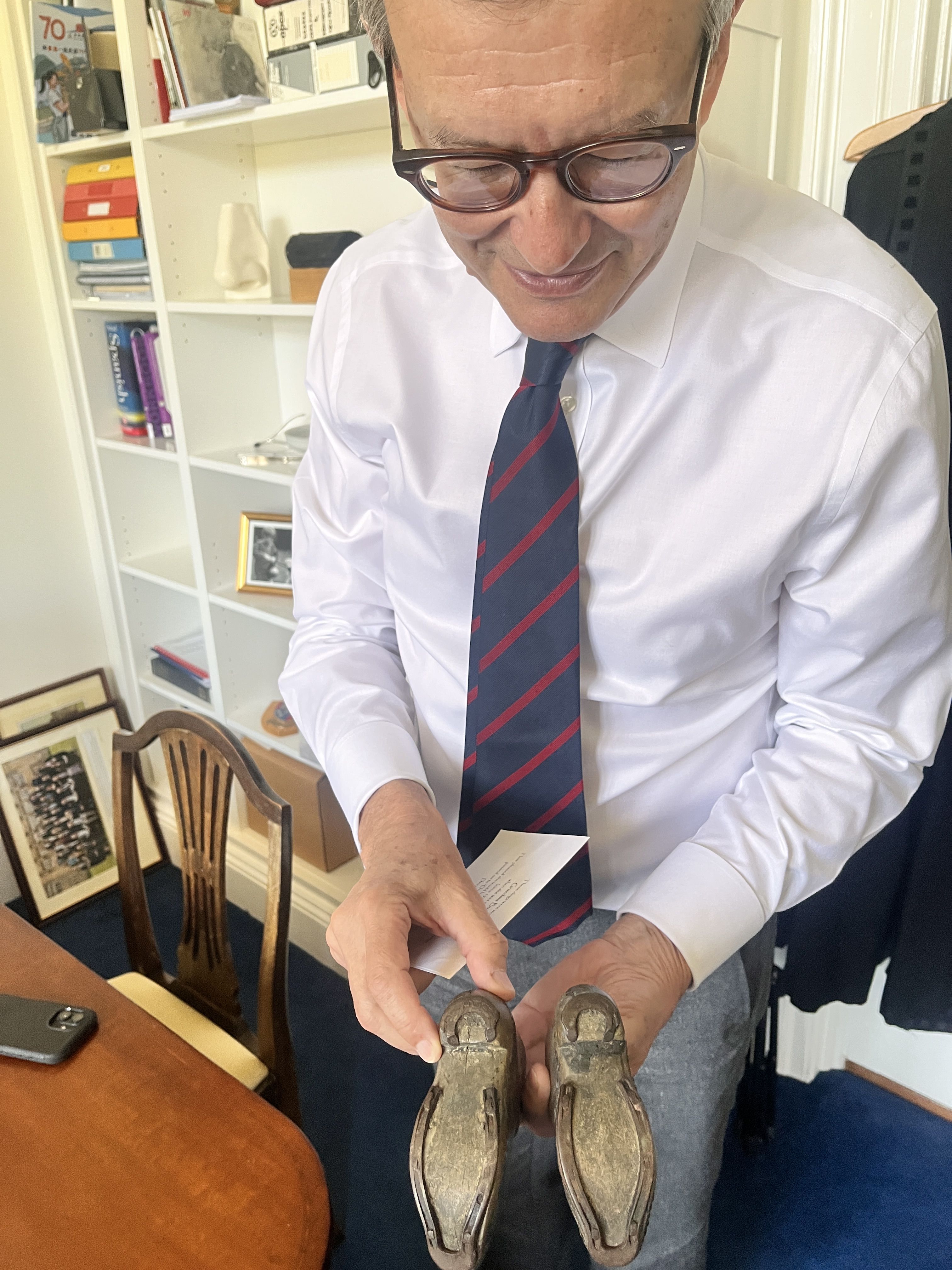
A proud Lancashireman, displaying his grandmother's traditional clogs.
A proud Lancashireman, displaying his grandmother's traditional clogs.
A life in medicine
After three years at Corpus, Martin went to Oxford to do the clinical medical course, although he didn't yet have a clear idea of what speciality he might pursue. He says, "In my second year at Oxford I applied for a scholarship to do some forensic psychiatry at the University of Virginia and I had a great time there." It wasn't until a few years later that he began doing Ear, Nose and Throat (ENT) surgery in Bristol. He returned to the US on a Fulbright Scholarship, which further confirmed that this was the specialty that he wished to pursue. He says, "ENT is a very broad field because it includes otology, rhinology, laryngology, as well as head and neck cancer. And you treat children as well as adults, which is unusual amongst surgical disciplines." He has worked in the National Health Service in addition to serving as Professor of Otolaryngology at the Oxford and a Research Fellow in clinical medicine at Balliol College.
When asked how medicine has changed since he began to practice, Martin says. "There have been many huge advances, but the disease that I've seen most change in – and in a sense the disease that developed in parallel with my professional life – is HIV. In 1983 when I was doing my finals, we heard about this new disease - AIDS. By the time I was a trainee back in Oxford in 1988 the AIDS epidemic was tragically in full flow. My fellow trainee surgeons were all involved in treating people with the ENT manifestations of their HIV infections. I went to The Middlesex Hospital in London in 1992 as a senior registrar and this housed a major centre for the care of people with AIDS. There were wards completely filled with young men with advanced disease. Fast forward 35 years and now – at least in high-income countries – we have retroviral drugs for treatment and prophylaxis, we know how to prevent and manage infections; it's a treatable disease. I just think it's amazing that in my professional lifetime we've seen such a terrible disease emerge, treatment has been developed, and now have it become manageable."
In addition to his clinical practice, Martin has had an interest in the application of evidence-based medicine in general and otolaryngology in particular. He served as Director of Cochrane UK (and as Co-Chair of The Cochrane Collaboration). When he left Cochrane to take up the role at Sidney Sussex, they wrote, "Martin’s exceptional leadership at Cochrane UK has been truly inspiring. His dedication to advancing evidence-based healthcare and improving patient outcomes has left an indelible mark on our organization and the broader medical community. He has shown a peerless talent for fostering collaboration, supporting people and driving impactful work."
Martin has also served on a large number of boards and panels for organisations including the National Institute for Health and Care Research (NIHR), the Royal National Institute for Deaf People (RNID), the Department of Health and Social Care, and the Cabinet Office.

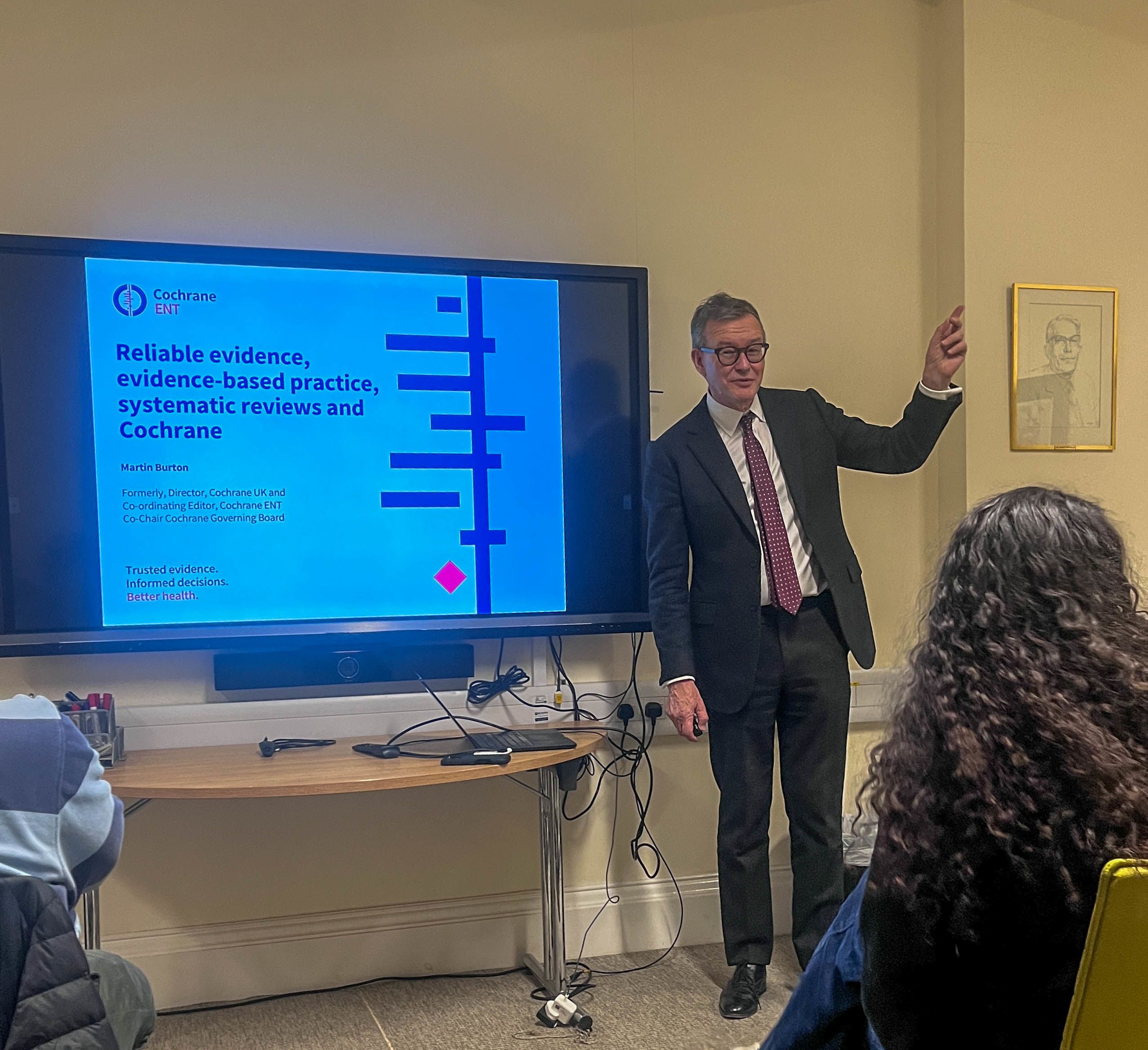
Martin recently gave a talk on evidence-based medicine to the Lewis Society of Medicine.
Martin recently gave a talk on evidence-based medicine to the Lewis Society of Medicine.
Return to Cambridge
When in Oxford, Martin was Vice-Master of Balliol College, so he knows very well what it takes to run an Oxbridge college. In 2023, he realised that whilst he had reach the stage of life where many of his clinical colleagues were retiring he felt like he wanted a new challenge. He says, "I thought it would be interesting and fun to be a "Head of House" at an Oxbridge college, and I'd been approached about this by head-hunters over the years. But I knew too much about some Colleges, and a didn't want to work at just any college. There's some that I wouldn't have considered because I had some understanding of what the challenges might be. But my impression of Sidney Sussex was of a small, friendly, welcoming college. They were clear that they wanted to be more ambitious and to develop a new vision and strategy. It was always clear to me that the selection process is one of mutual discernment – to see if we would be a good fit for each other. I thought Sidney would be a good fit for me and I’m pleased to say that the Sidney Fellows thought I would suit them.
"If you haven't had anything to do with an Oxbridge college, you might not understand the role. In my view it is very much about being “first among equals” in terms of the relationship with the Fellowship. I'm not the Chief Executive, or Chairman of the Board, or Chief Financial Officer or Chief Operating Officer. Being a Master is none of these things, but you have to be a bit of all of them. It doesn't suit everyone's leadership style."
The college is currently producing a new strategy and vision. Martin explains, "You might have a set of ambitions for a college, but if they aren't shared by the Fellowship, the students, the alumni and the Staff, there is little point in having them. We're asking ourselves 'What's the essence of this place? What is it for? What is our mission?' At the end of the day we're a community of scholars and the heart of our ambition has to be academic excellence. But there are other things we also need to look at. What about our size and shape? Do we want to be bigger? What about the mix of home and overseas students, undergraduates and graduates? Just how ambitious do we want to be?"
Martin says that Sidney is 'very focused' on widening participation. "In a sense, widening participation is part of our DNA. We have often been seen as a 'grammar school college', particularly taking students from the North. By happy coincidence, our link area is Lancashire. Widening participation now goes well beyond geography and we aim to be inclusive and welcoming to a very diverse group of students."
A more recent focus for Sidney, as for other colleges, is mental health and wellbeing. But Martin is pleased that the approach has been a well co-ordinated and focused one. "We're an academic institution not a therapeutic community, so it’s important that we help students in the best possible ways to flourish here. We agree with the University's tiered approach, which is that at the college we support students' wellbeing, we signpost them, and we look out for problems with their mental health. When we detect serious problems, we get help for our students from experts. We do whatever we can to keep peoples' health good, and their work-life balance stable but what we are not experts at, and we shouldn't be experts at, is providing mental health treatments for serious problems." Every Fresher at Sidney meets the Head of Wellbeing, the College nurse and the Chaplain one-to-one so that the team get an early sense of their well-being. Martin invites every graduating student for a short meeting in his office, to find out about their upcoming plans and – amongst other things – to see if they feel they have been well-supported both academically and in terms of their wellbeing whilst at Sidney.
Martin is enjoying his return to Cambridge, gradually getting to know people in and outside Sidney and reconnecting with others, especially from the Corpus community. He especially finds the other Heads of House "a fun group" to belong to. We wish him all the best for his tenure at Sidney Sussex and look forward to welcoming him back to Corpus again soon.

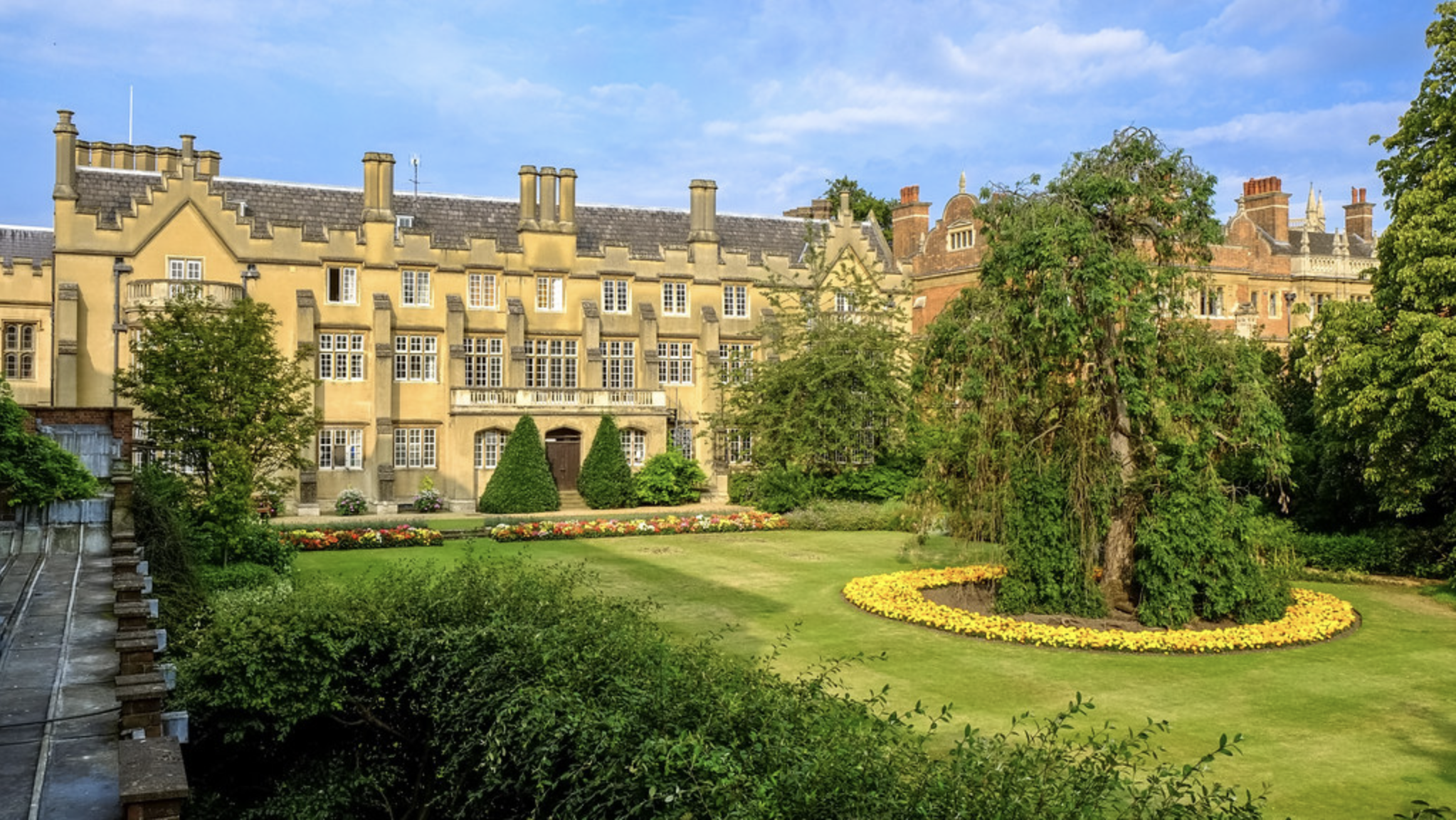
Corpus in the 1970s

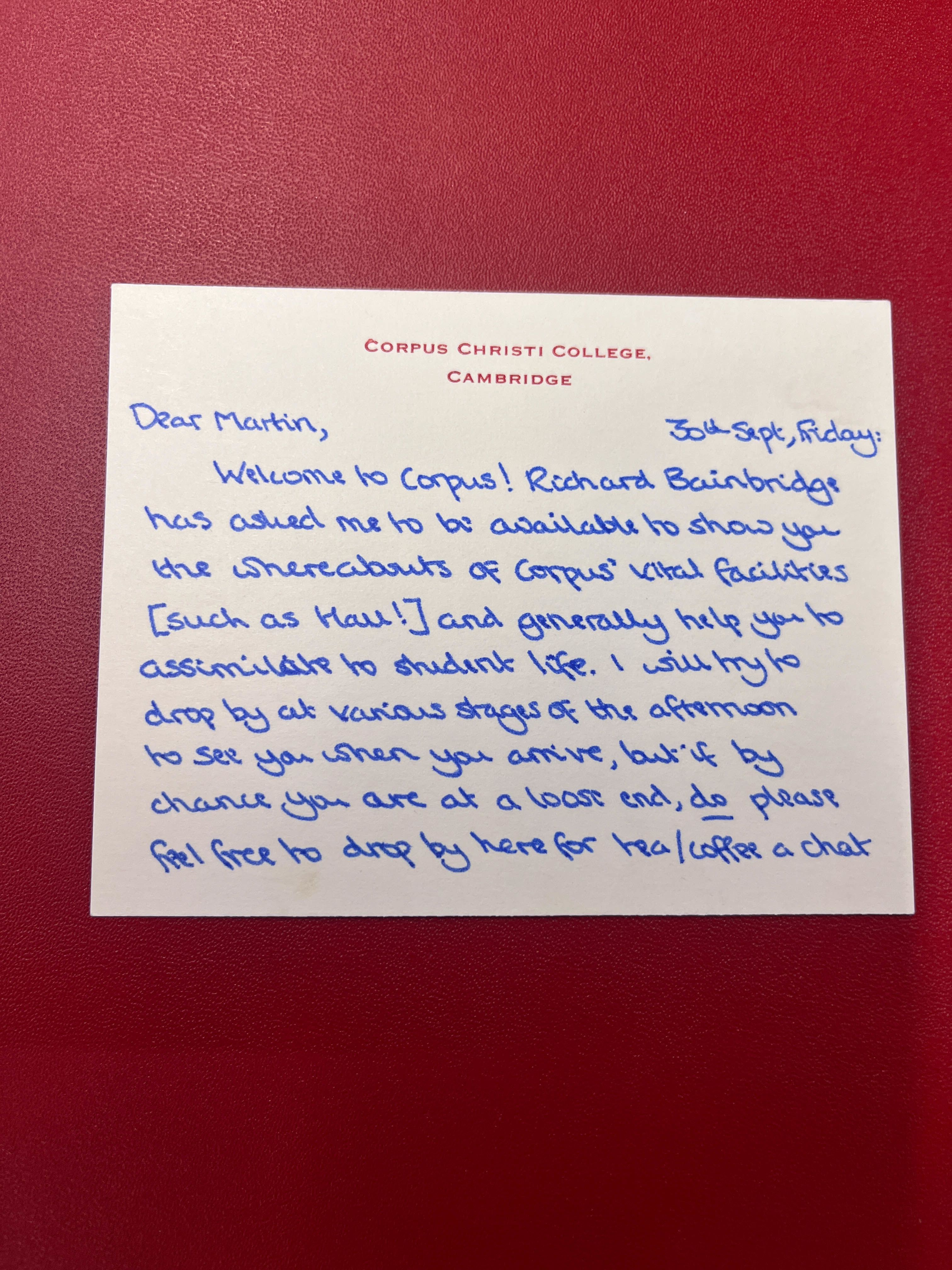
A welcome from a fellow student, Patrick Rossiter (m.1975).
A welcome from a fellow student, Patrick Rossiter (m.1975).

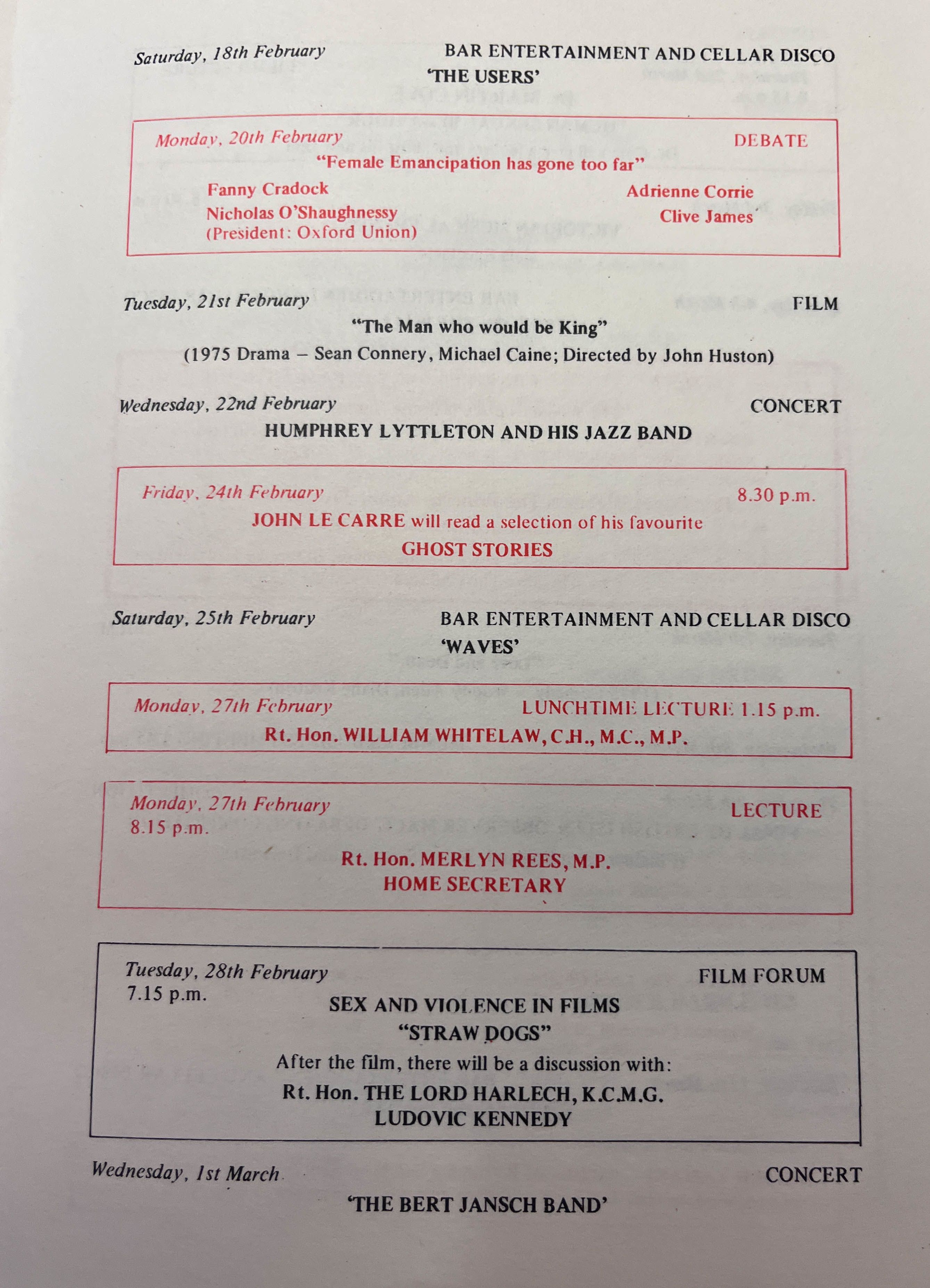
The Cambridge Union programme.
The Cambridge Union programme.

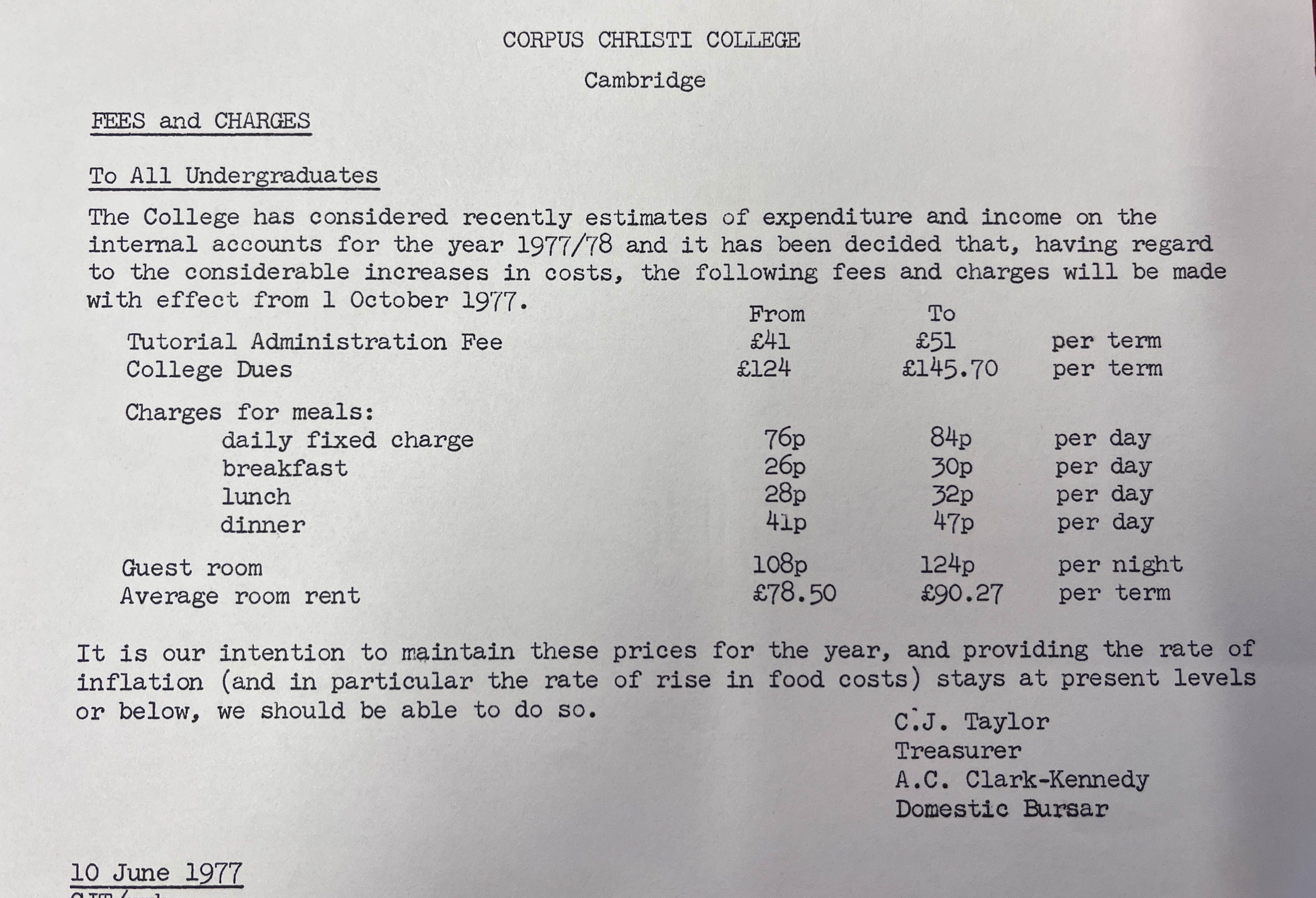
Student fees & charges.
Student fees & charges.

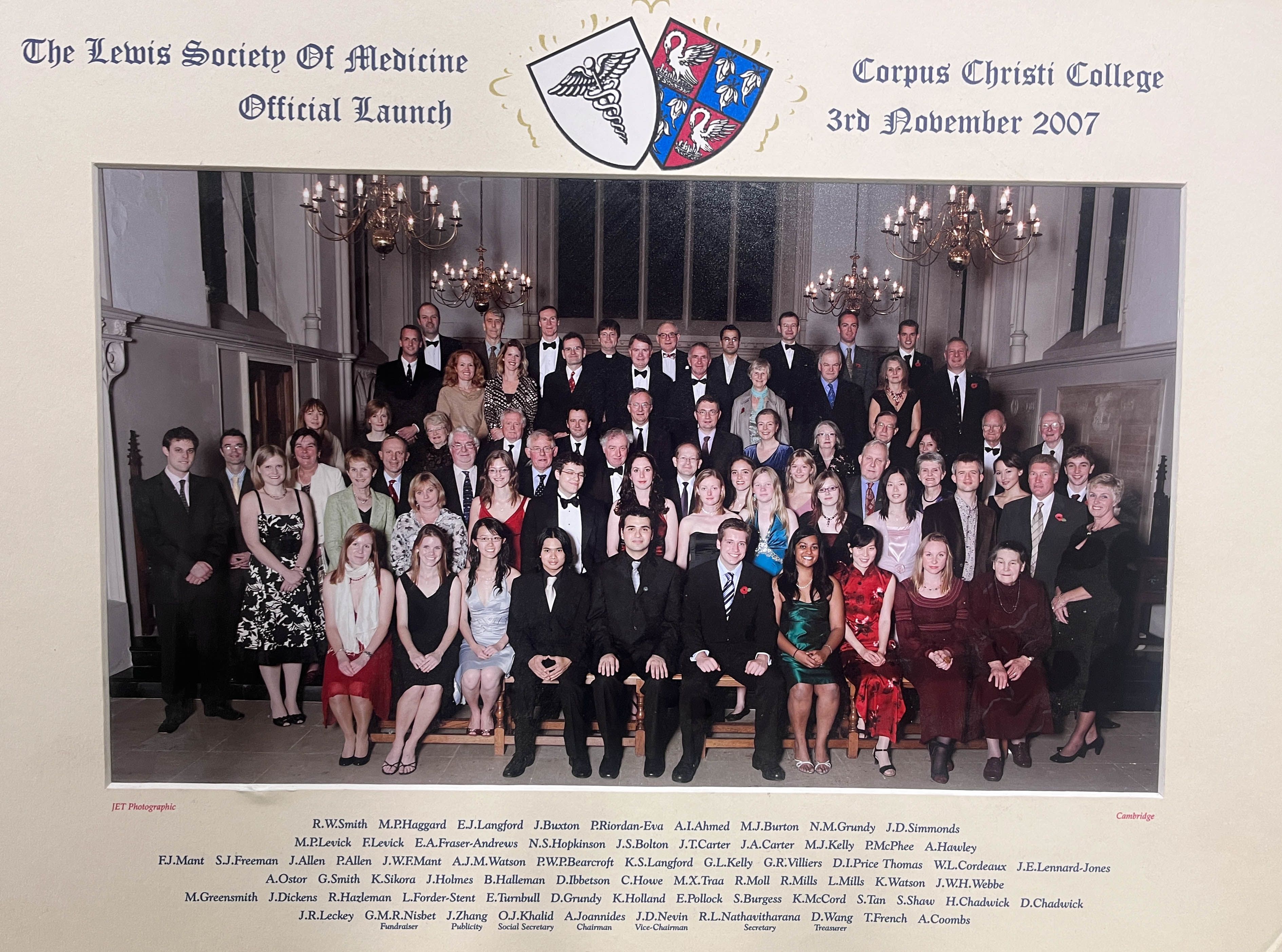
A gathering of the Lewis Society of Medicine in 2007.
A gathering of the Lewis Society of Medicine in 2007.
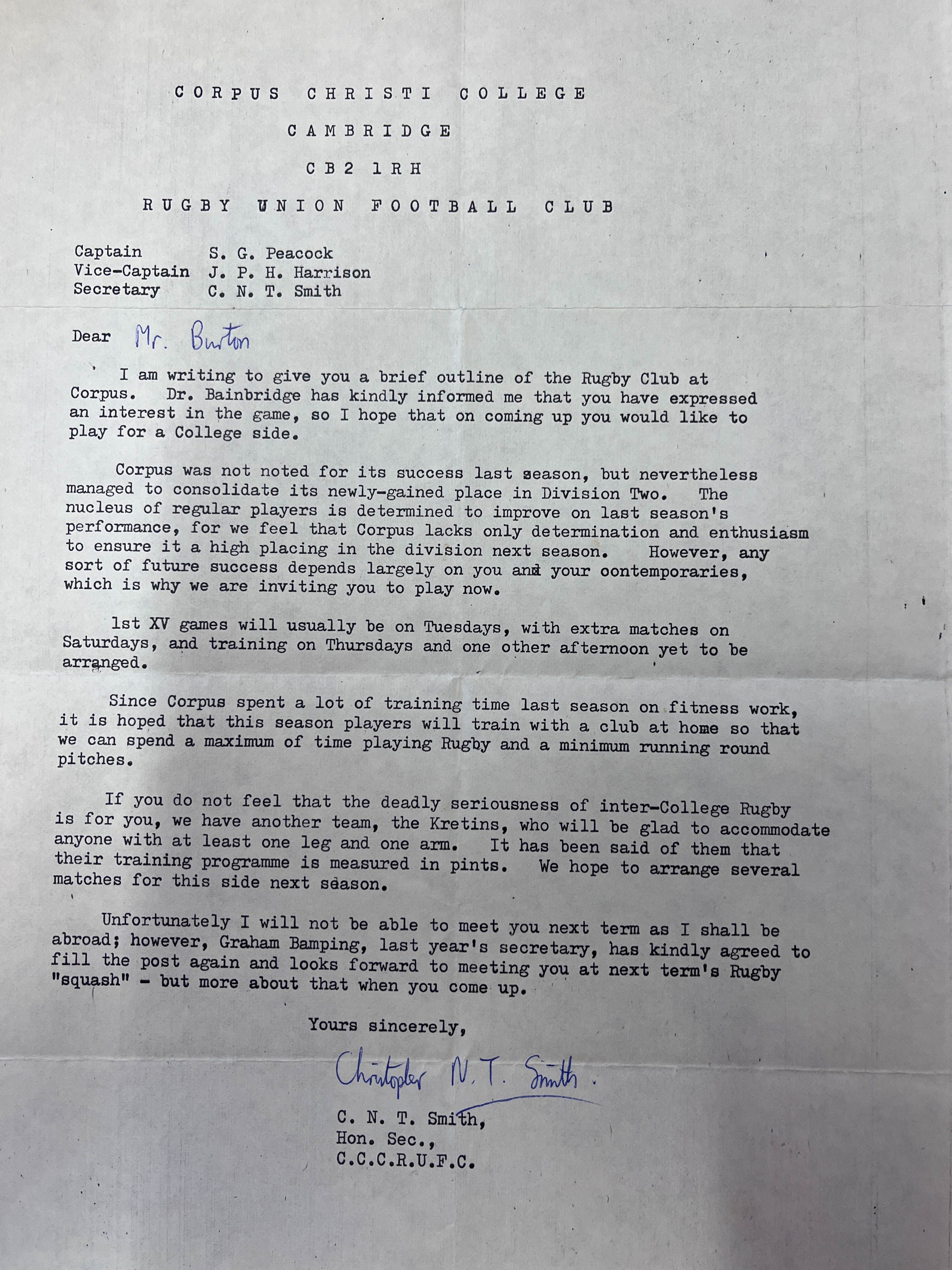
An invitation to join the rugby team.
An invitation to join the rugby team.

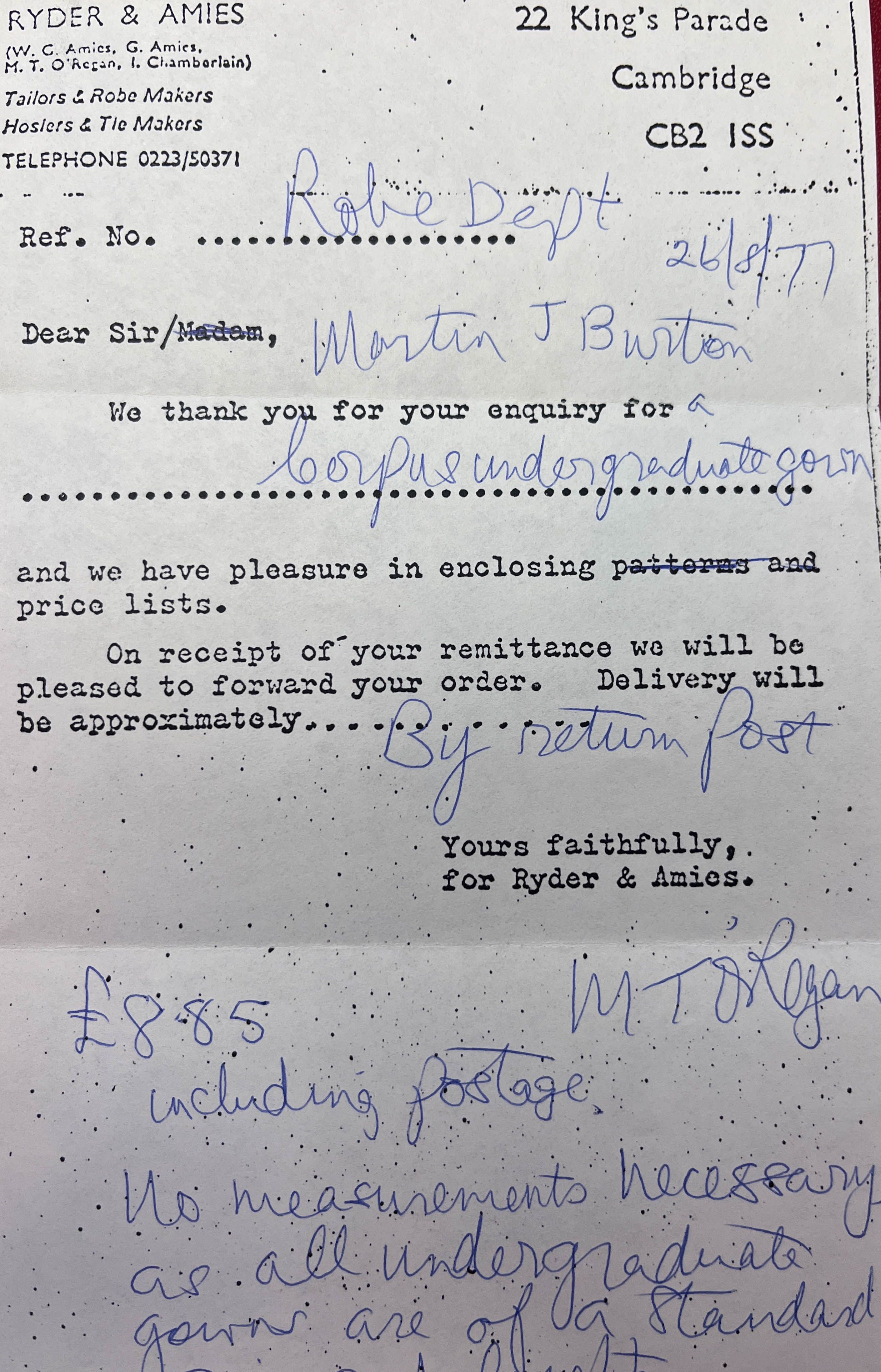
Invoice from Ryder & Amies.
Invoice from Ryder & Amies.

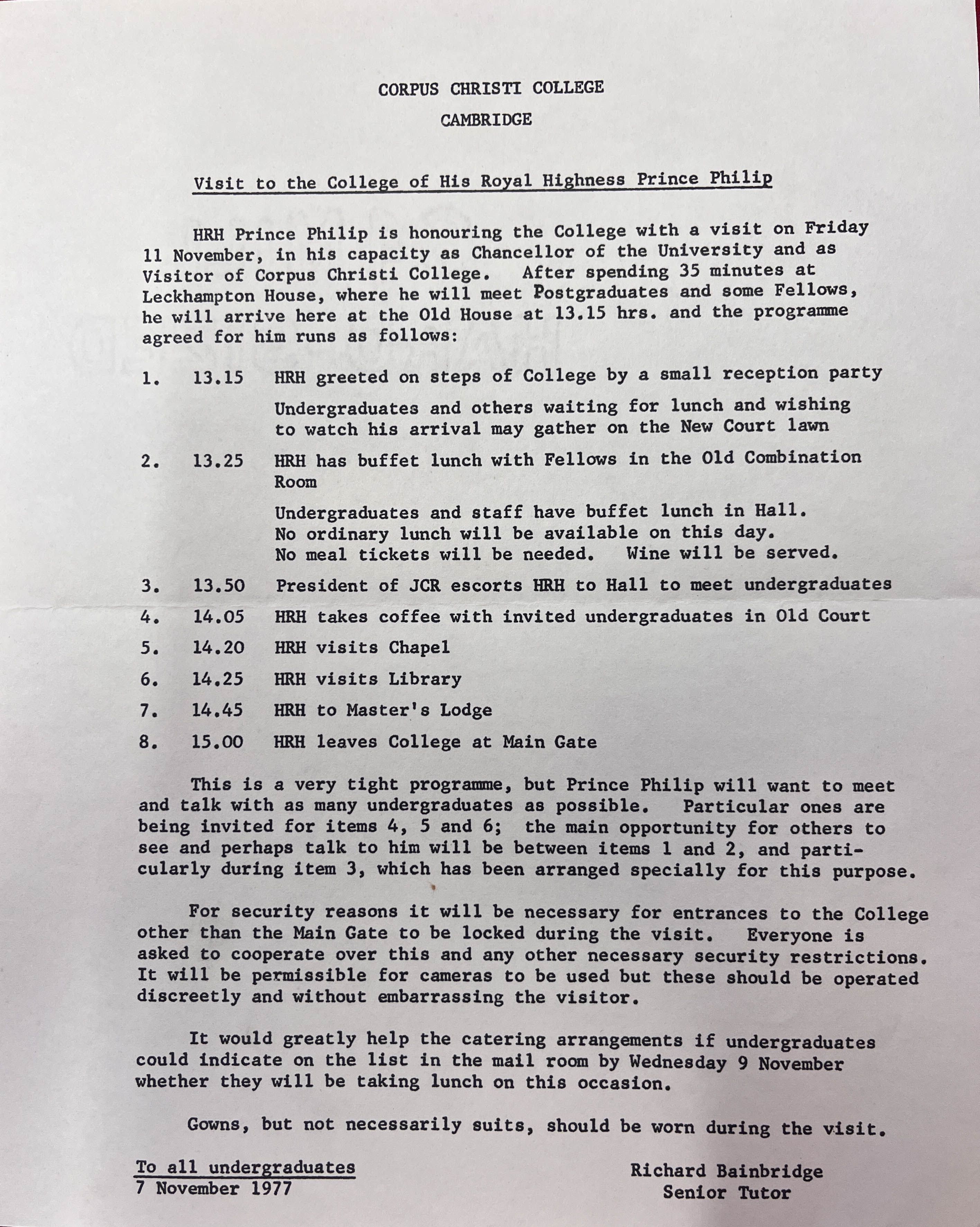
Visit to the College of Prince Philip.
Visit to the College of Prince Philip.

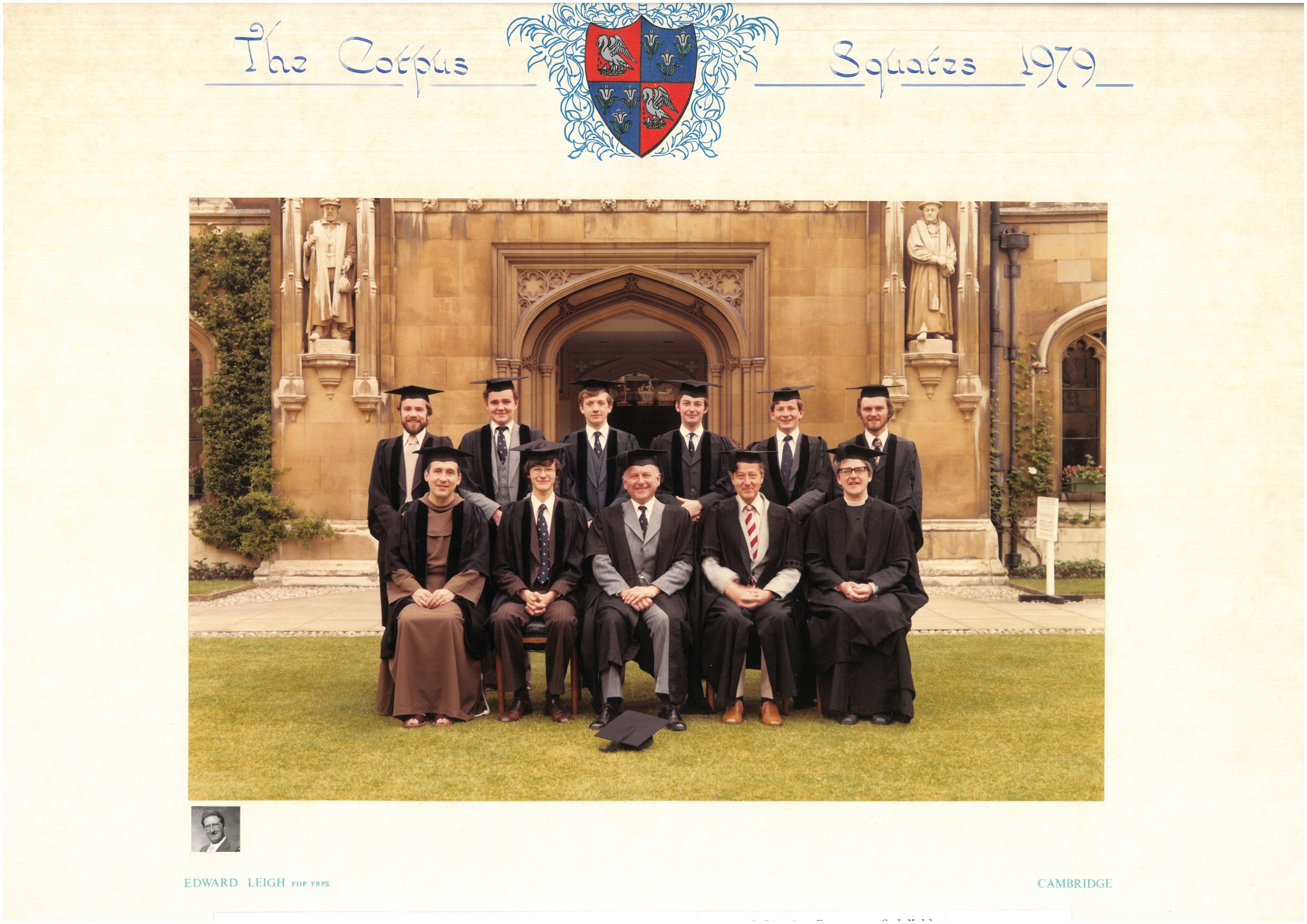
The Squares, 1979.
The Squares, 1979.

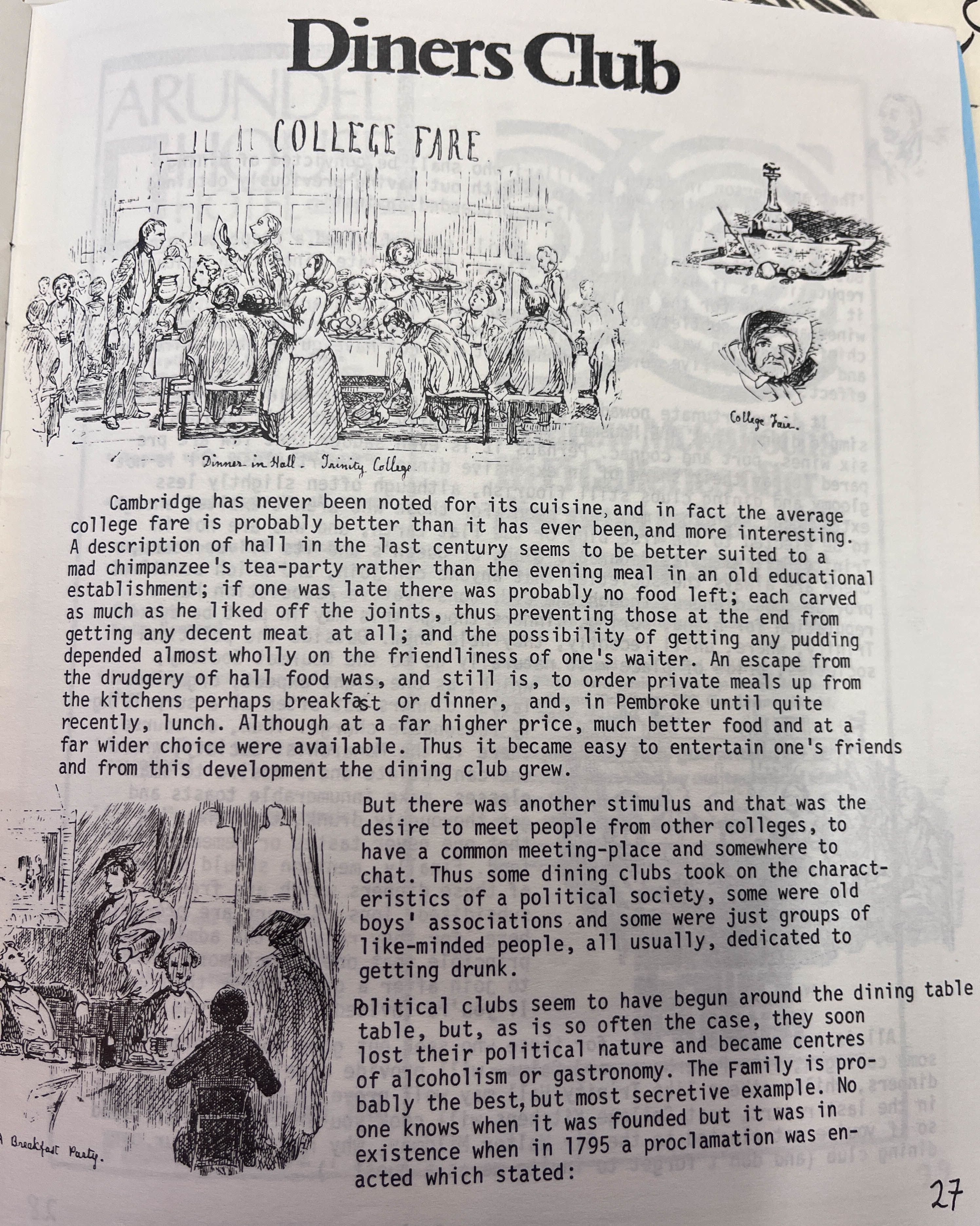
On Dining Clubs.
On Dining Clubs.

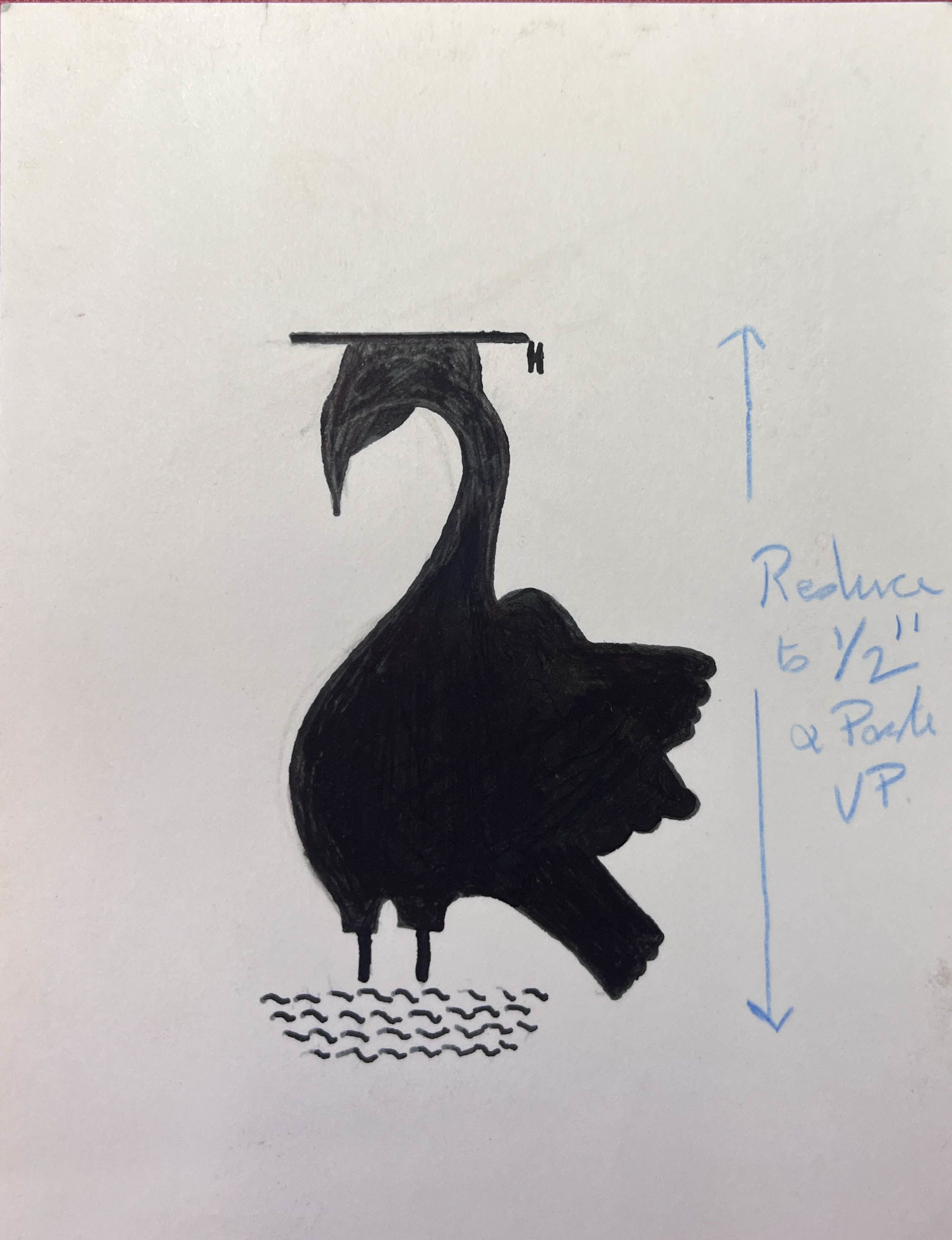
An illustration for the secret society, the Squares
An illustration for the secret society, the Squares

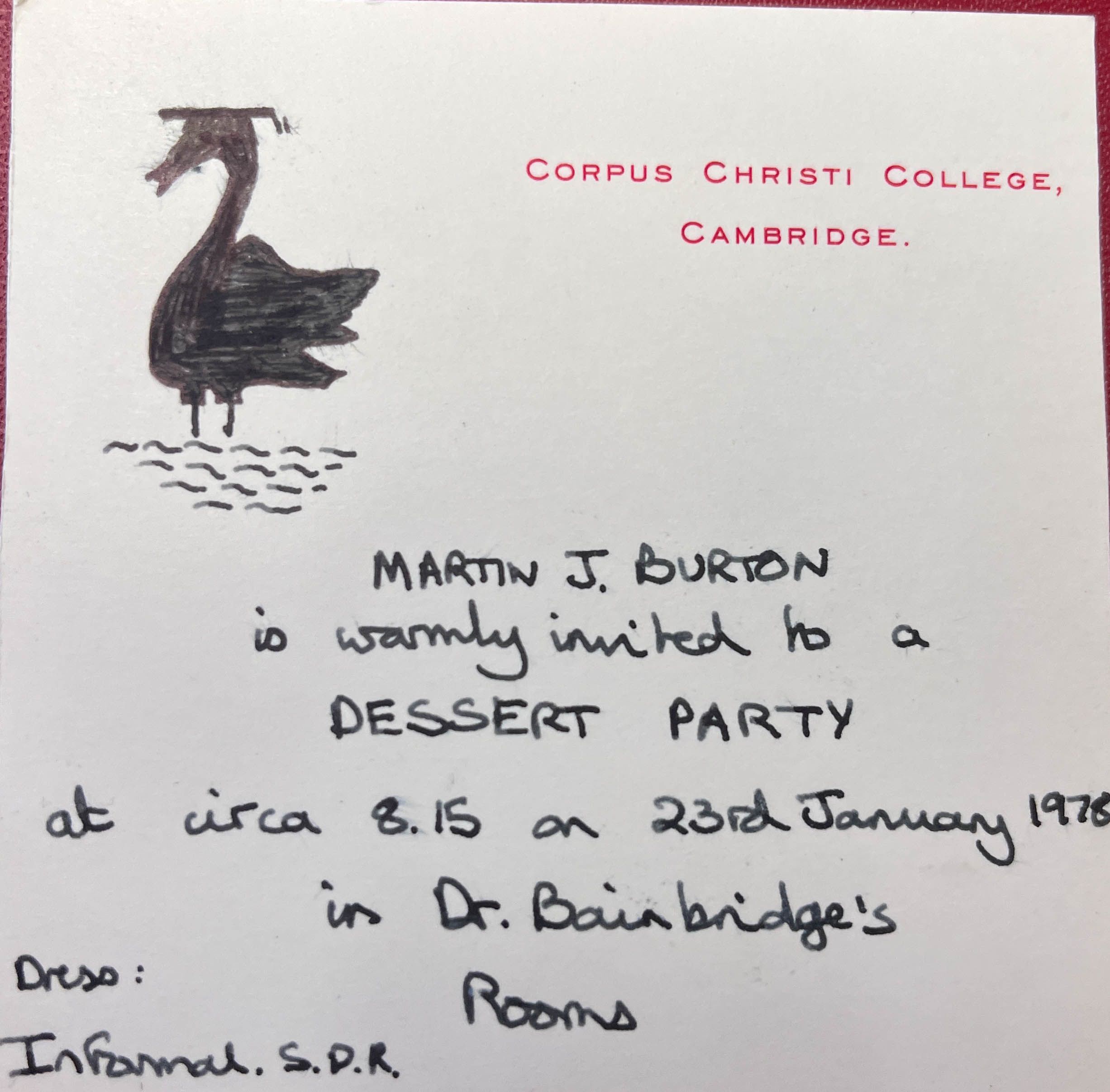
Invitation to an (early) dessert party at 08.15.
Invitation to an (early) dessert party at 08.15.


 Built with Shorthand